Xerces Coming to the Farm
The Xerces Society is a nonprofit organization that protects the conservation of invertebrates and their habitats. Invertebrates are animals lacking backbones which includes 95% of all animal species! One of their primary efforts is to protect and expand pollinator habitat for butterflies, such as the Monarch butterfly, moths, and insects, including native bees. This includes providing native pollinator plant species and nesting habitat.
Xerces Society involves citizens to participate by providing “Pollinator Habitat Kits.” The Kits are available in several regions of the United States to qualifying partners which includes urban and rural landscapes. Those that participate are proud to display the Pollinator Habitat sign.
2023:
· Xerces helped to augment the planting of pollinator species onto a 1,330’ in hedgerow, with assistance from NRCS Farm Conservation Plan.
2024:
· Xerces provided pollinator species which were planted at the fenced wind turbine area and within the fenced drain field area.
2025:
· Xerces augmented pollinator species planted in 2024 at the wind turbine and in expanded the area in the drain field area.
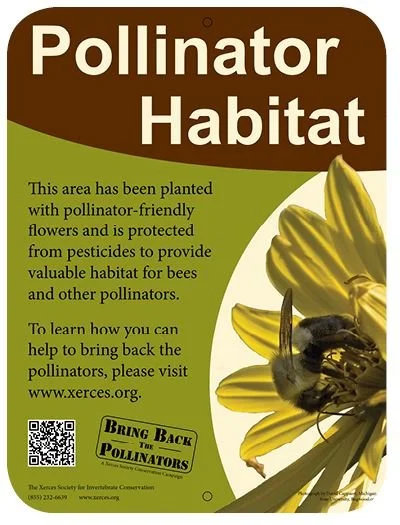
Sign provided by Xerces.
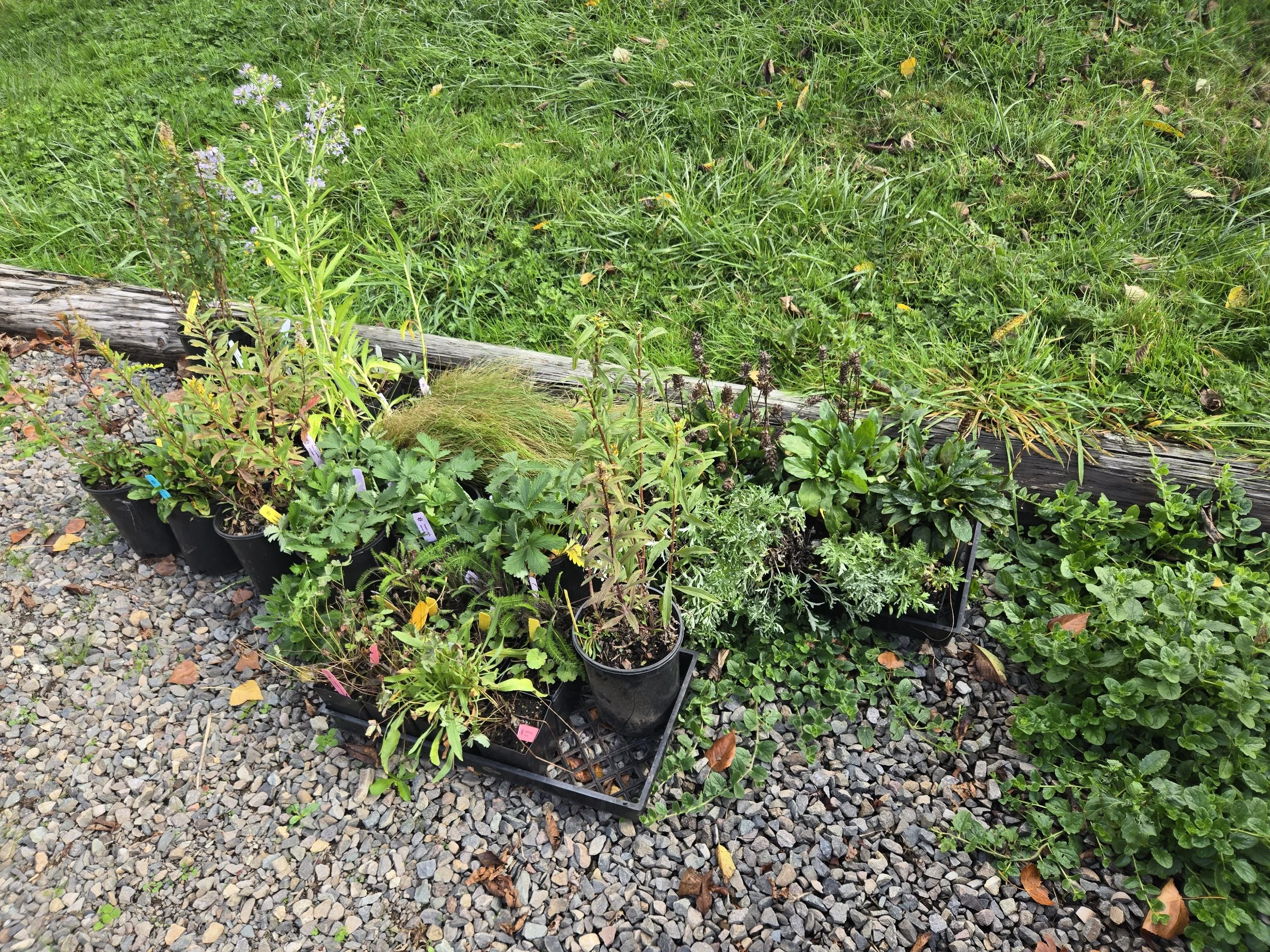
2024 - Drain field extension with pollinator species provided by Xerces.
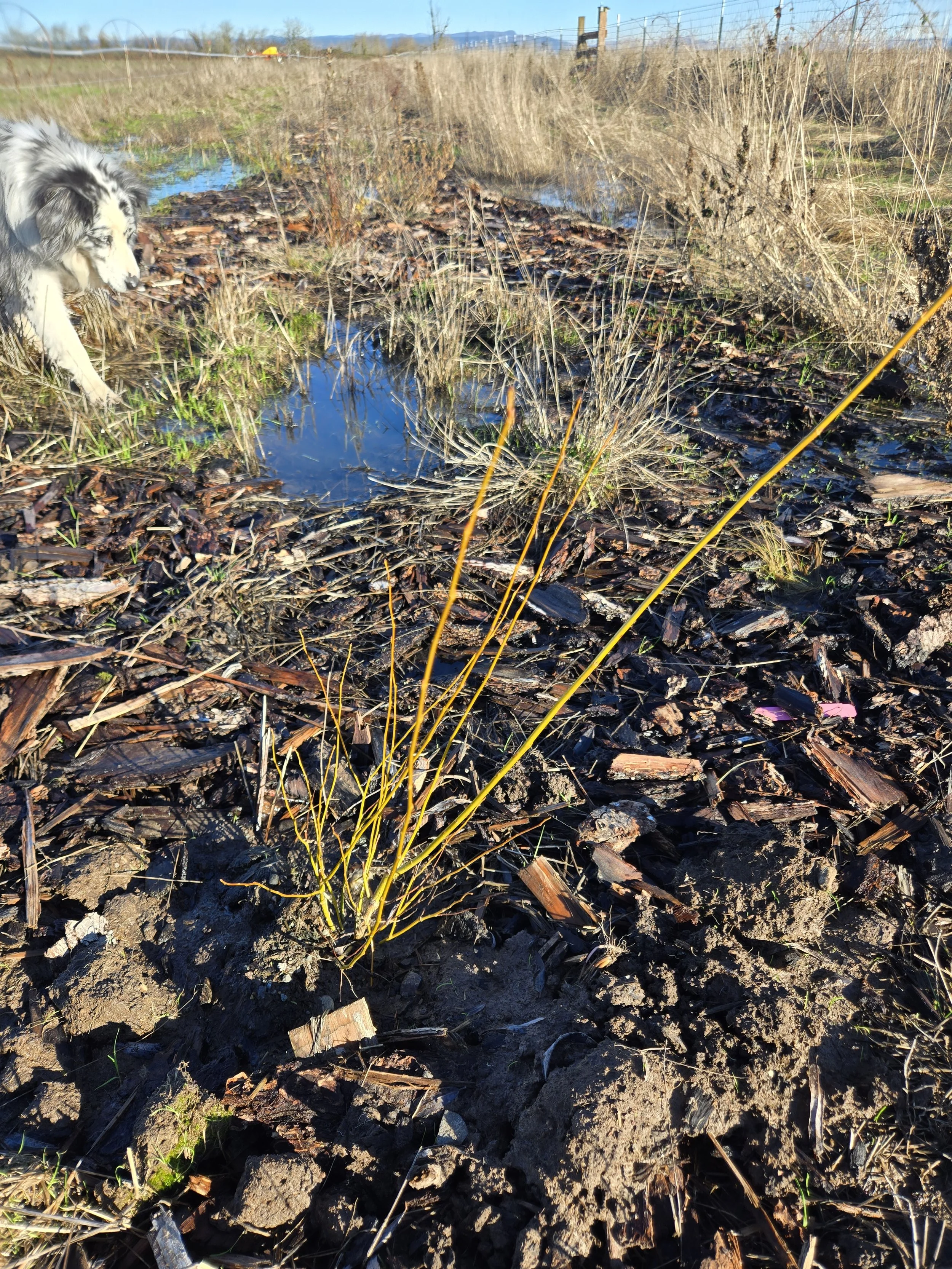
2025 - Augmenting hedgerow.
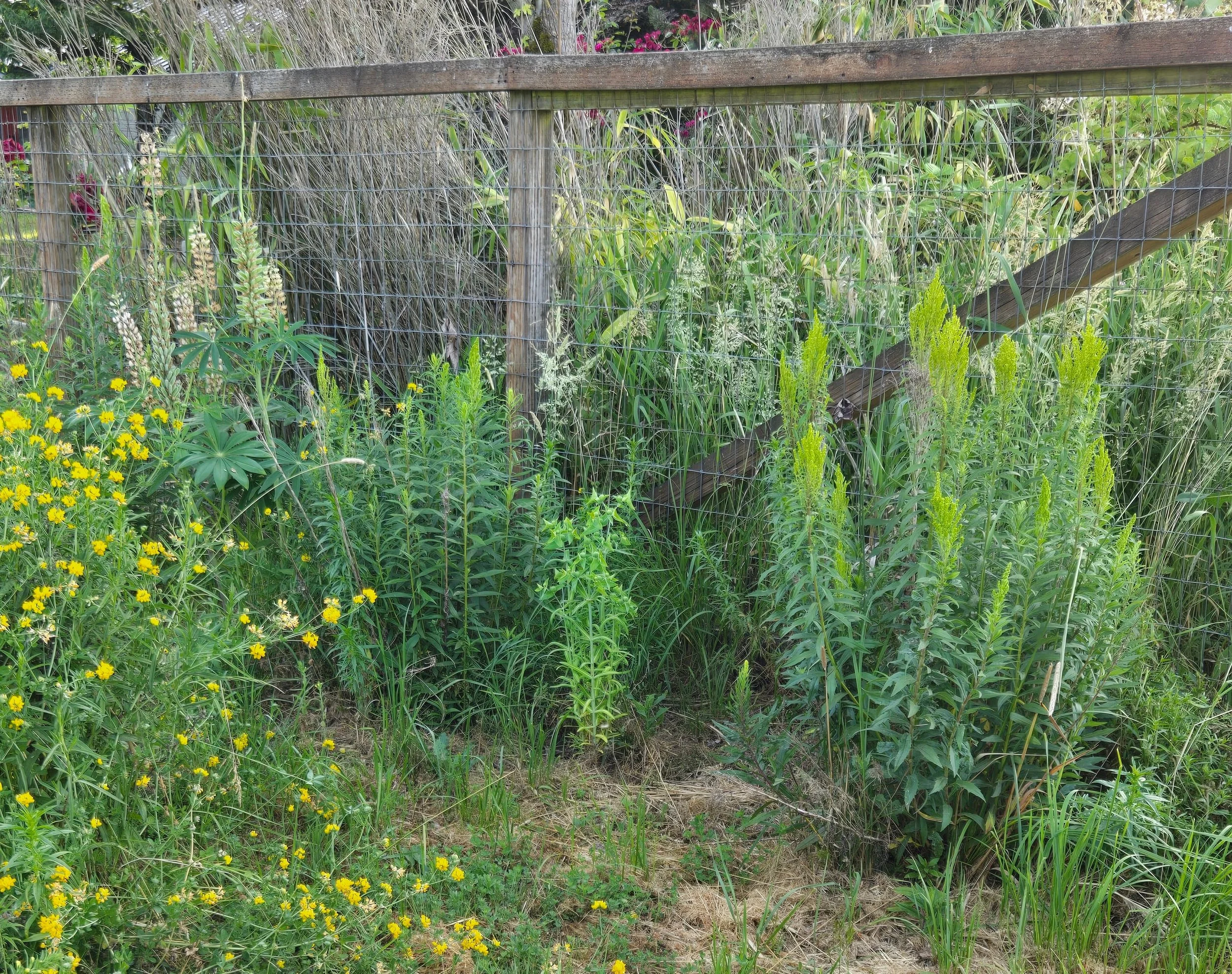
2025 - June. North drain field.
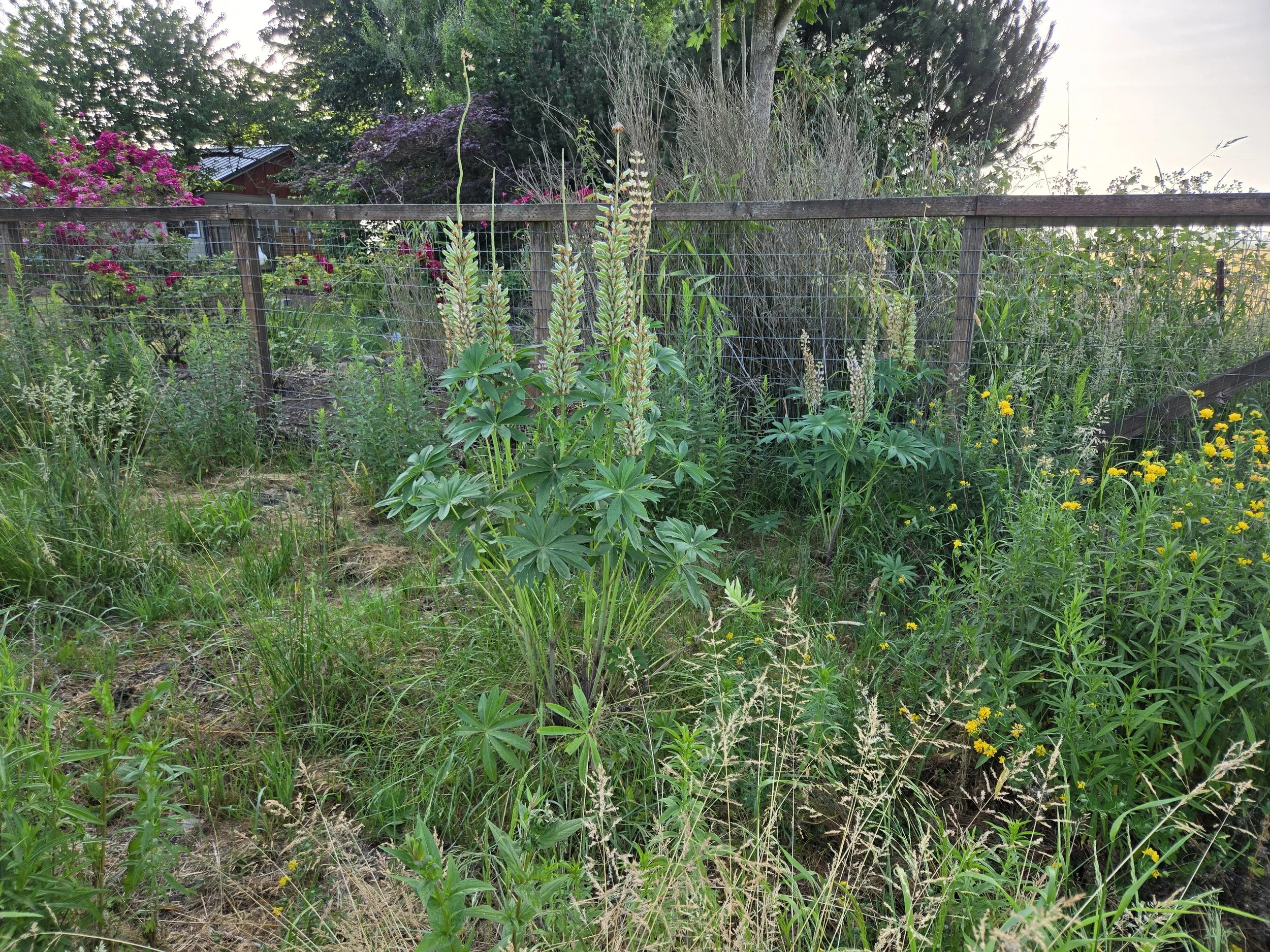
2025 - June. North drain field.
The once bare drain field now is full of pollinator plants provided by Xerces. I want to continue to supplement the south side of the drain field, now primarily in Milkweed plants that were raised on the farm.
I hope to add more pollinator plants encircling the wind turbine.
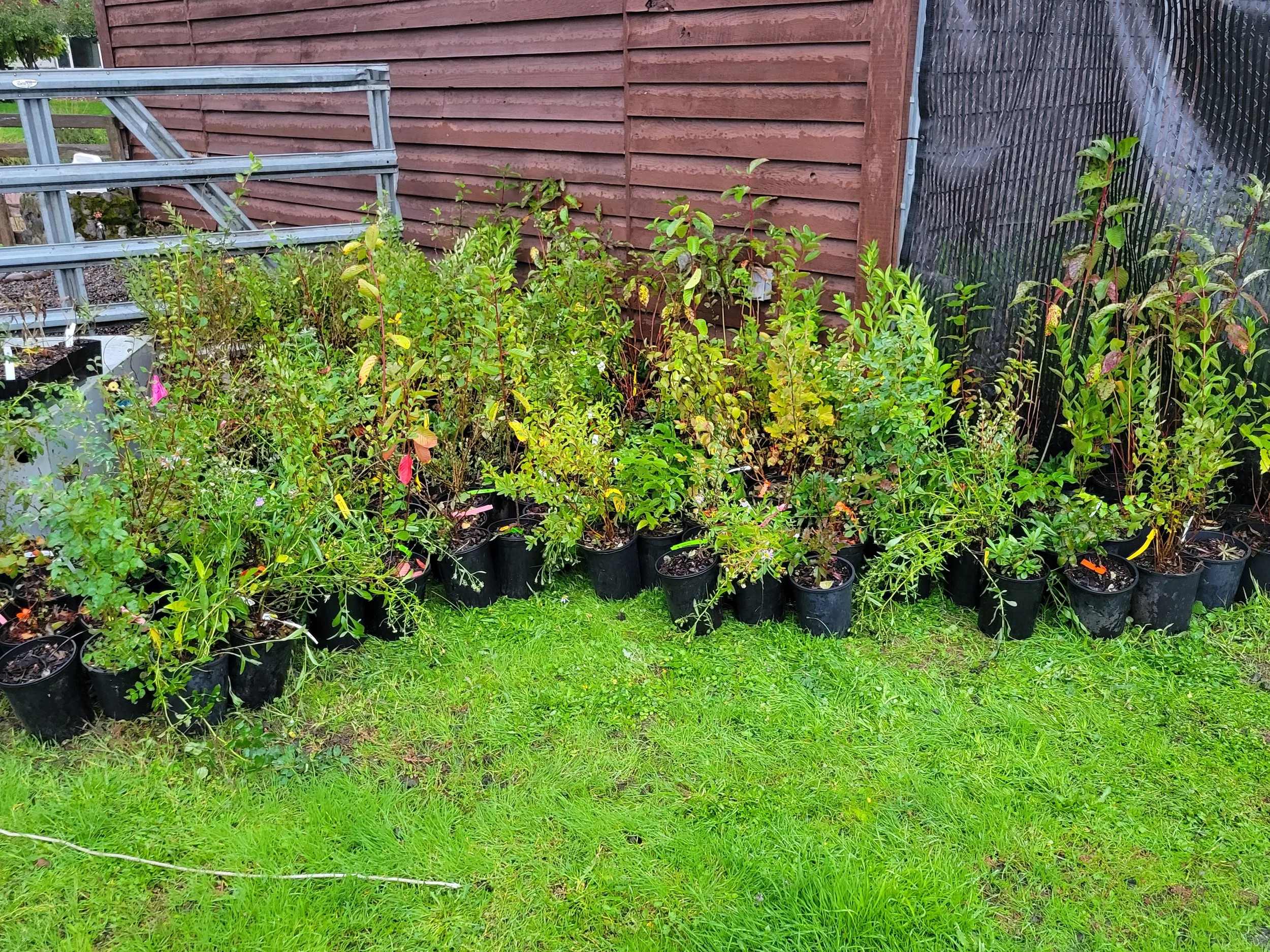
2023 - Hedgerow species from Xerces.
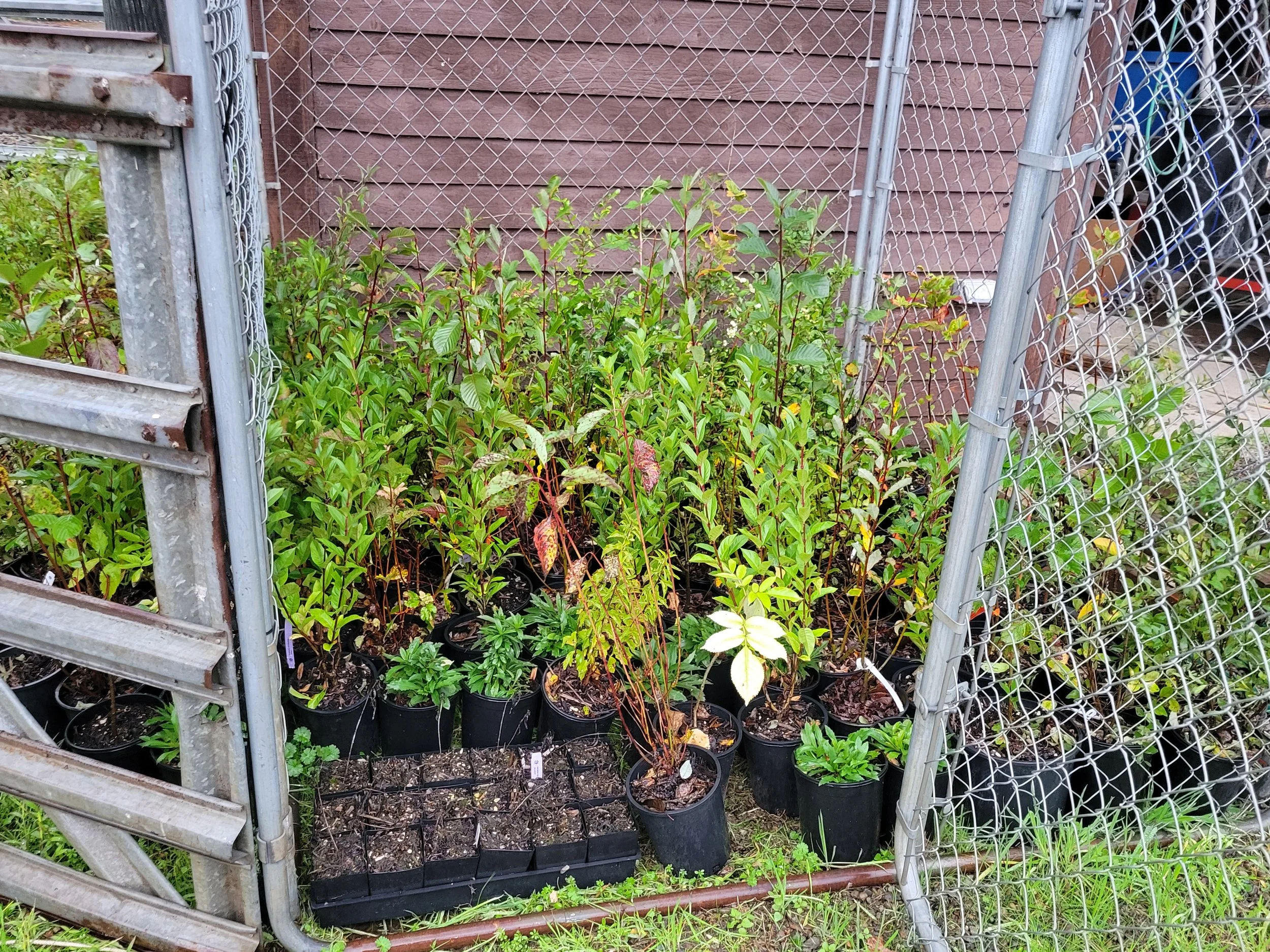
2023 - Hedgerow species from Xerces.
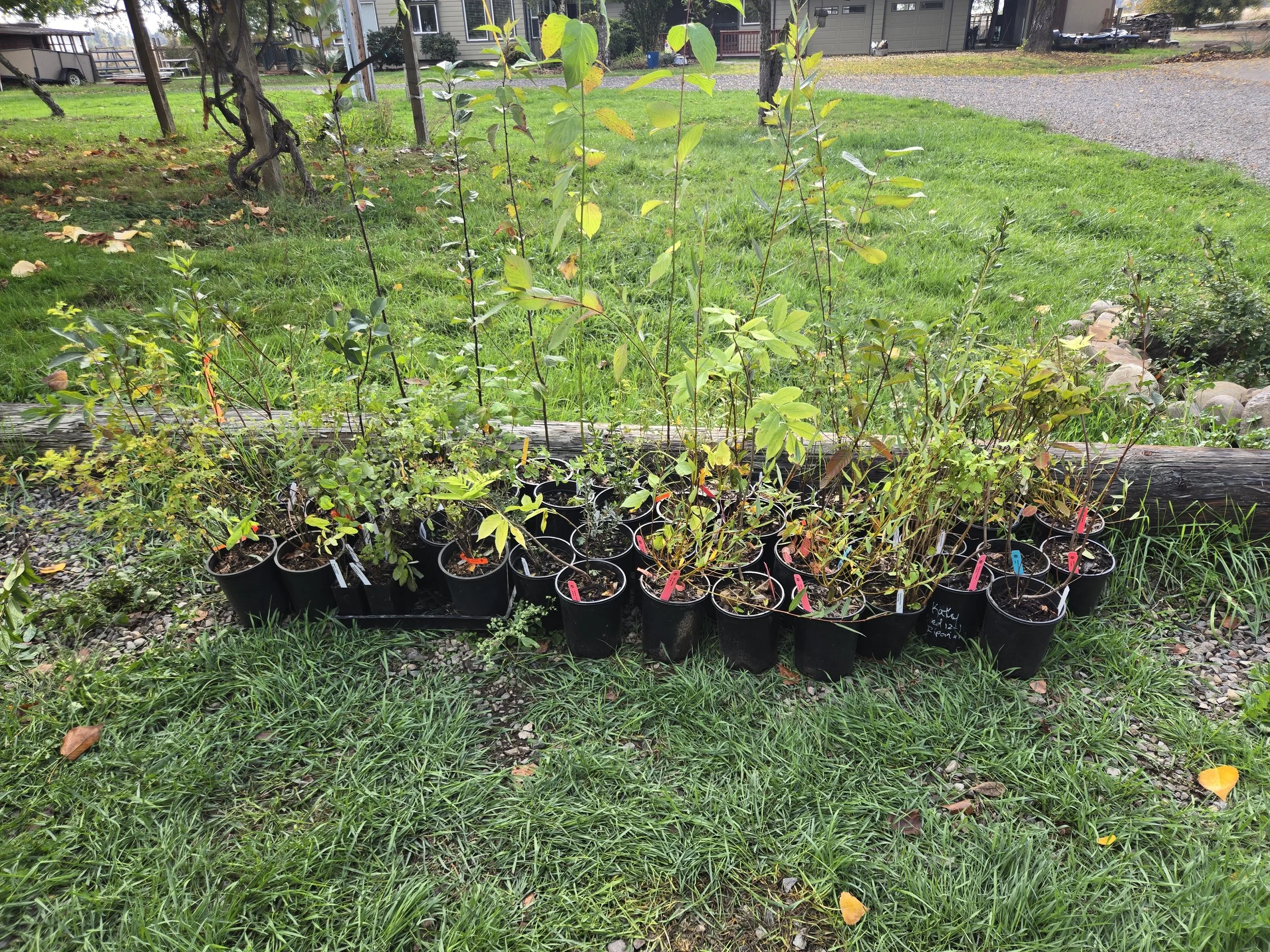
2024 - Augment hedgerow with pollinator species provided by Xerces.
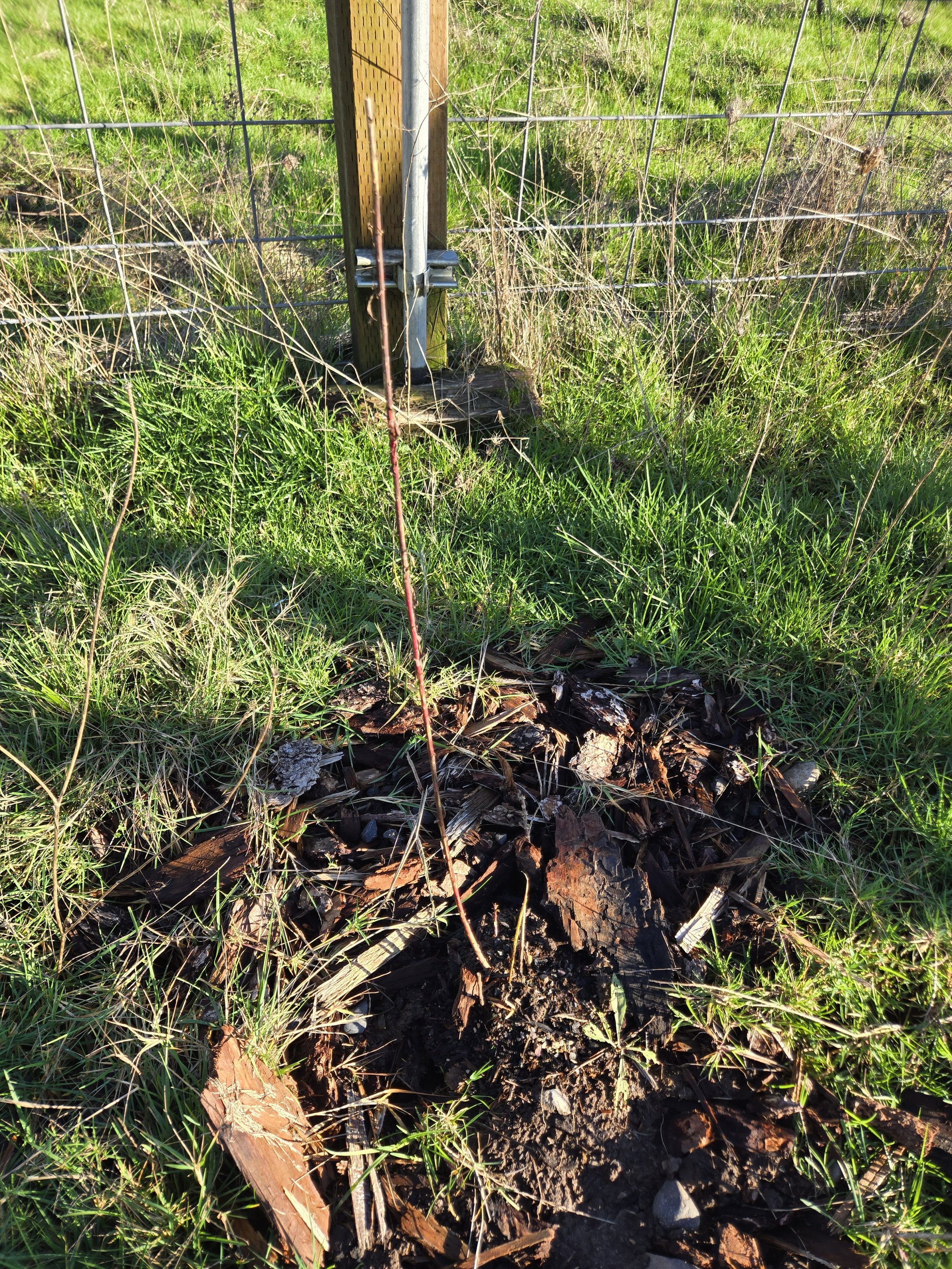
2025 - Augmenting the wind turbine area.
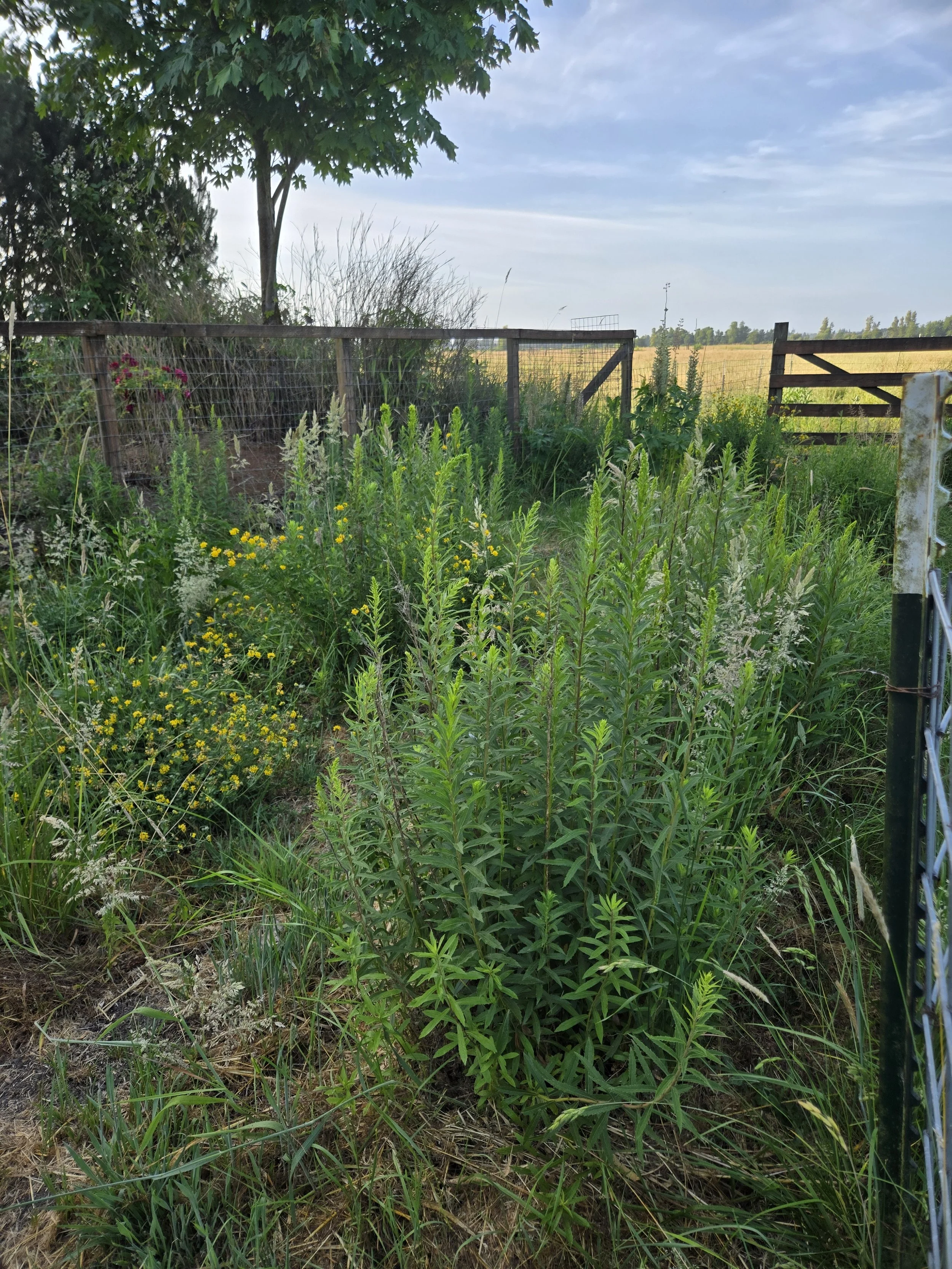
2025 - June. North drain field.
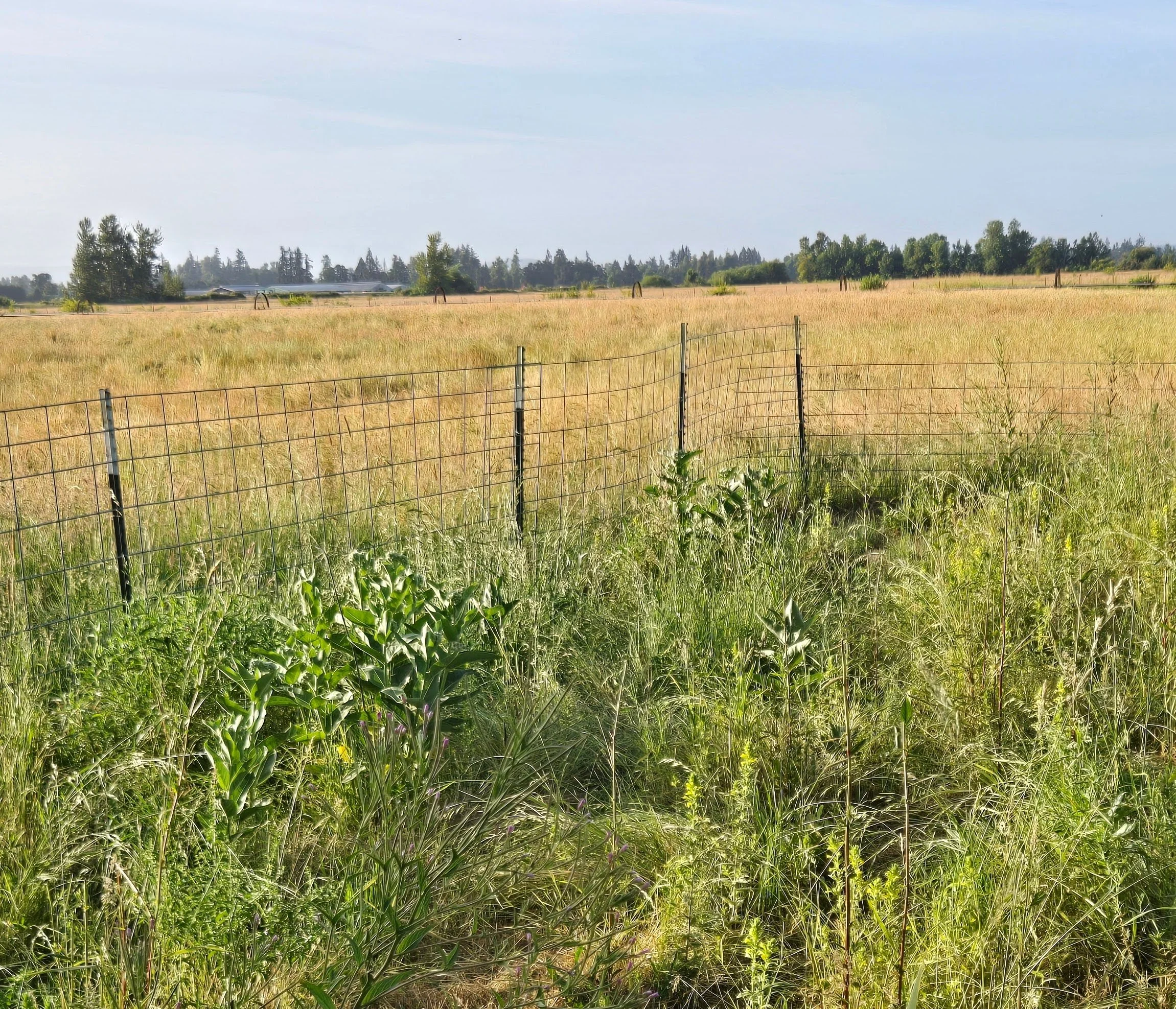
2025 - June. South side of drain field with Milkweed and new pollinator species.
For further information about Monarch butterflies:

2024 - North side of drain field
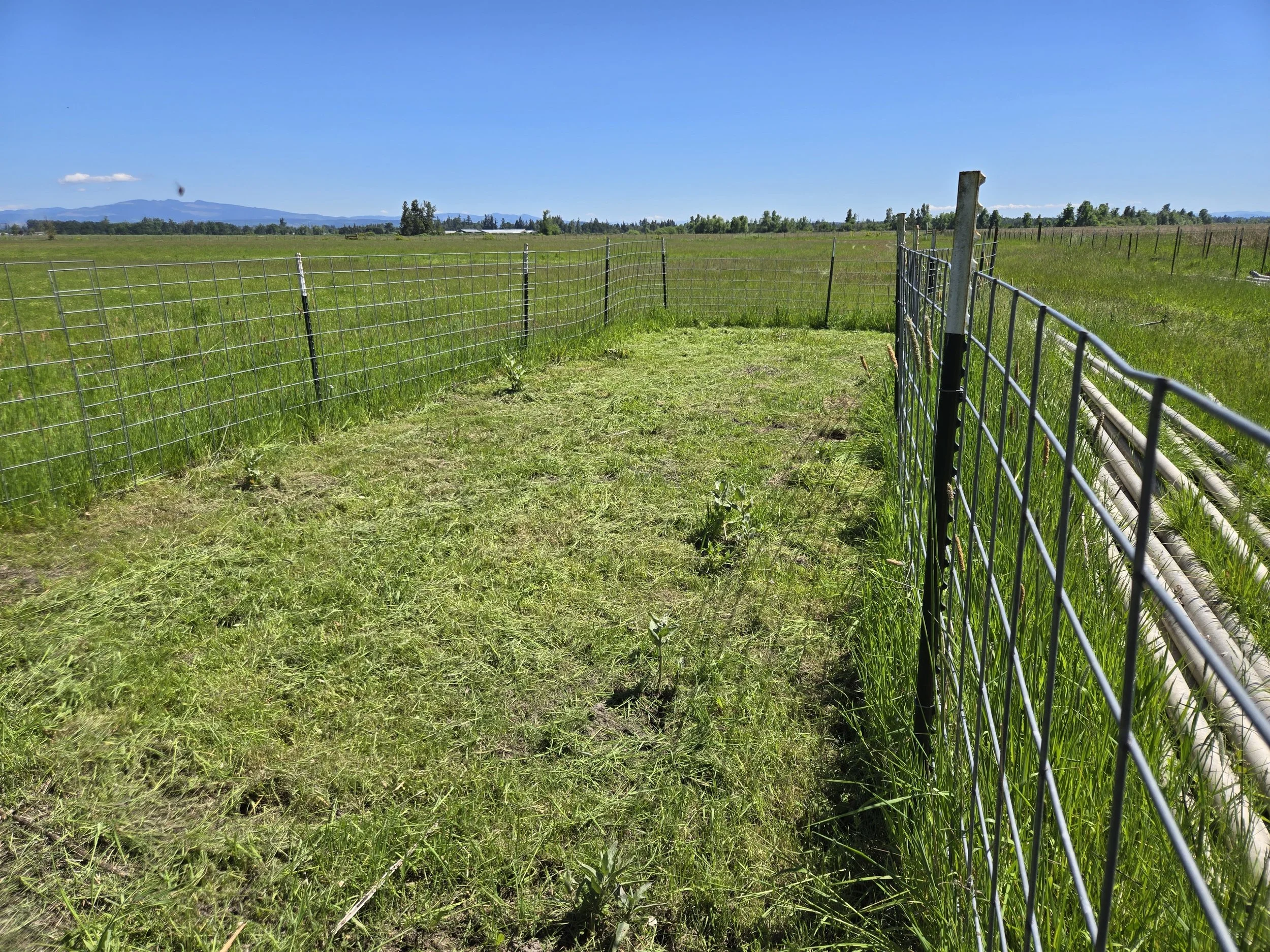
2024 - South side of drain field with Milkweed raised on the farm.
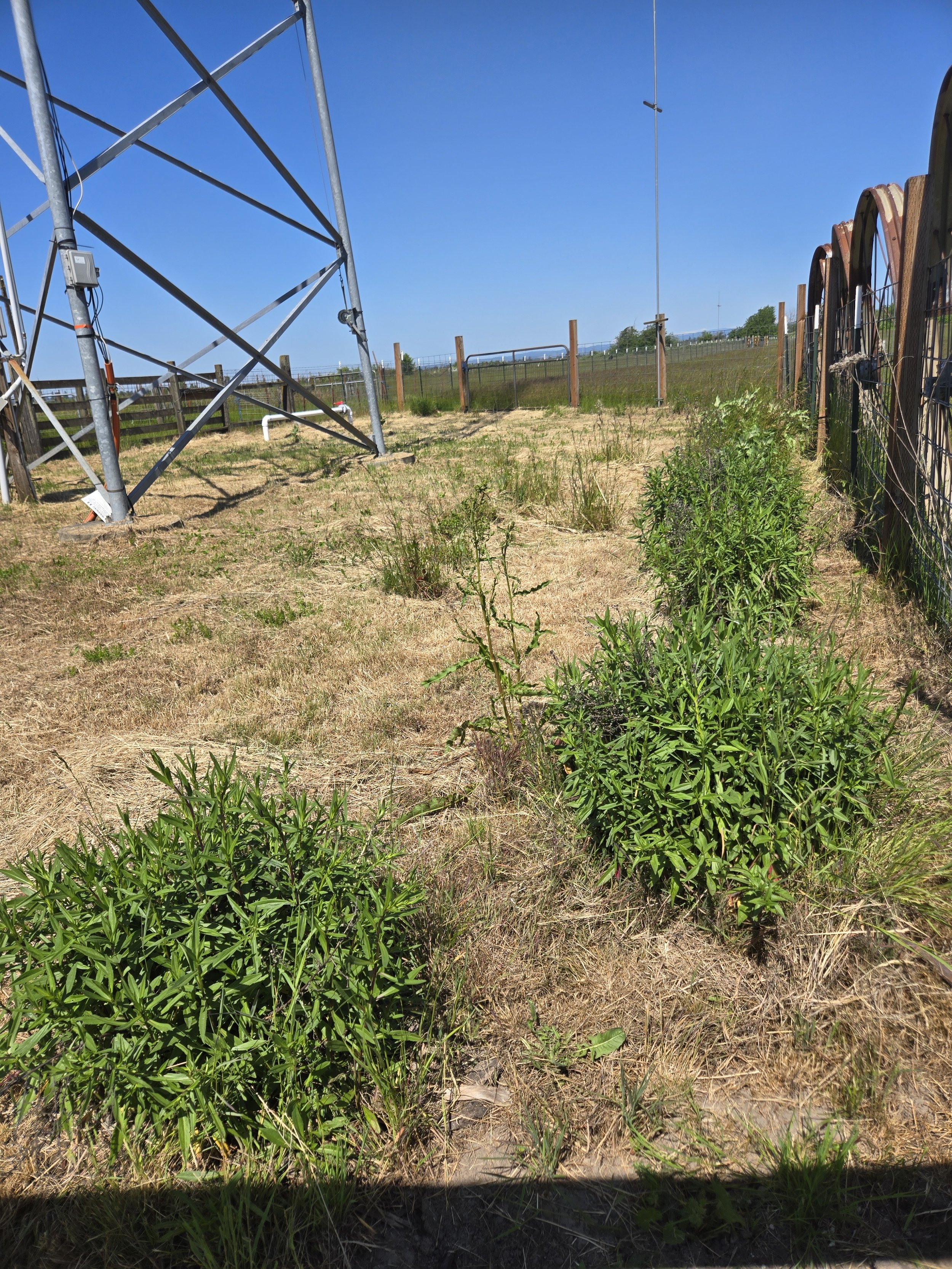
2025 - June. Pollinator species at the fenced wind turbine area.
I am installing houses for Mason and Leafcutter bees.
There are hundreds of native bees to the Willamette Valley. They are solitary insects and live in small tunnels in the ground or in wood. The bees are non-aggressive and are vital to early spring pollination. Due to loss of habitat and pesticide use, it is vital to convert habitat for use by our invertebrate friends.
I chose to take spots full of invasive species, such as Reed canary grass and thistles, and converted them to native pollinator habitat thanks to the help and inspiration provided by Xerces!
For further information about Mason bees: